7 Health Tech Innovations Shaping 2025 Lifestyles
Monitoring our health is something that most of us need to do these days. Using wearable devices can make it possible to ensure that we make the necessary adjustments to our diet, exercise, sleep, and much more.
However, health tech goes beyond Fitbits, the health app on our Apple watches, and more. We will be taking a look at seven different health tech innovations that can allow us to change our lifestyles in 2025.
Not only will technology be innovative for the better, it will also give us access to data that helps us pinpoint where we can improve healthwise. Let's go over the list right now.
-
Telemedicine
This kind of health tech innovation is nothing new. Yet, telemedicine has made itself prevalent over the course of several years. To the point where it becomes a mainstream healthcare solution for many. They include but are not limited to virtual consultation, allowing patients the chance to connect with a healthcare provider without traveling too far for in-person visits at a clinic.
There are even platforms that will integrate with AI for certain situations. This includes triaging symptoms and recommending treatments. The goal here is to ensure that the diagnoses provided by healthcare providers are quicker and more accurate - especially when a patient may be dealing with issues such as Ozempic adverse effects that may be less severe than others. For more details, explore the Ozempic medication information guide.
-
Wearable Health Devices
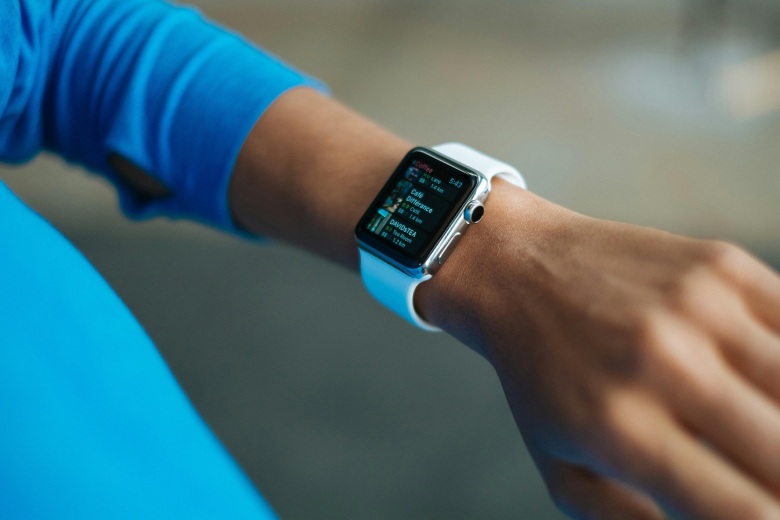
It goes without saying that wearable health devices will remain a popular option for many in today's digitally-dependent world. Smartwatches and fitness trackers have become more sophisticated compared to their rudimentary versions of ages past.
Nowadays, these devices have the ability to do things such as measuring stress levels, detecting irregular heart beats, and even measuring blood oxygen levels. The Apple Watch Series 8 is just one example of a wearable device that will help individuals make the necessary lifestyle choices when it comes to keeping their health in line.
The features include sleep tracking and blood pressure monitoring. The wearable devices today are quite advanced and may have room to become even better in the years to come.
-
AI-Powered Diagnostics
With AI becoming more prominent today, it has made its presence known in the medical field. Specifically, it has the potential to provide revolutionary diagnostics by using its abilities to analyze complex datasets.
As such, they could use such datasets as a way to detect diseases early. Plus, it can use machine learning algorithms to detect other health conditions including heart conditions, neurological disorders, and even cancers.
-
Tailored Pharmaceutical Needs
Creating tailor-made treatment and medication plans can be one of the biggest developments in health tech yet. This will allow patients to be able to receive the medication they need along with the accurate dosage as part of their treatment plan for chronic conditions or common illnesses. As such, concerns like potential side effects will be important to address moving forward.
-
Smart Hospitals
Using IoT devices and automation, smart hospitals have the ability to provide excellent patient care. Robotic surgeries, automated medication dispensing, and other developments can be implemented not just for a successful treatment for patients, but to also reduce human error while increasing efficiency in the medical space. For example, AI-driven systems at major medical facilities like the Cleveland Clinic can not only reduce wait times, but also addresses the patients needs fairly quickly with accuracy.
-
VR in Therapy and Rehabilitation
Physical therapy and mental health treatment are both at the forefront of treating conditions that require respective treatments. This also includes using devices that simulate a controlled environment - allowing patients to cope with anxiety disorders, manage chronic pain, and even improve the recovery process of their injuries.
-
3D Printing for Prosthetics and Implants
3D printing technology can provide healthcare providers the opportunity to offer custom-made prosthetics and implants to their patients. Even better, these can be offered at lower costs compared to traditional approaches. The 3D printing technology will make it so that each implant or prosthetic will be perfect for the patient while addressing their needs for comfort and functionality.
Final Thoughts
These seven health tech innovations are all looking to change the game when it comes to healthcare. From telehealth at home to providing AI diagnosis for diseases that can be treatable due to early detection, health tech has developed numerous breakthroughs that will not only make it more possible to diagnose and treat conditions, but also allow those to keep track of their health for the sake of preventing future health issues.


5 Best Data Recovery Software Tools to Recover Deleted or Lost Files

What Is Utility Software? 18 Examples of Utility Software Tools