How Face Swap AI Is Changing Viewer Trust in Digital Images
Images were once treated as proof. If something appeared in a photograph, it was usually accepted as real. That belief shaped how people consumed media, trusted brands, and interpreted stories.
That certainty is fading. New advancements in face swap AI are quietly reshaping how viewers process visual information. The change is not loud or obvious, but it is deeply influential. People are no longer relying only on what they see. They are beginning to question it.
This shift is redefining trust in digital visuals.
When Realism Stops Being Enough
For years, visual quality determined credibility. A sharp, well-lit image carried authority. A poorly edited one raised doubt. Now, realism alone does not guarantee authenticity.
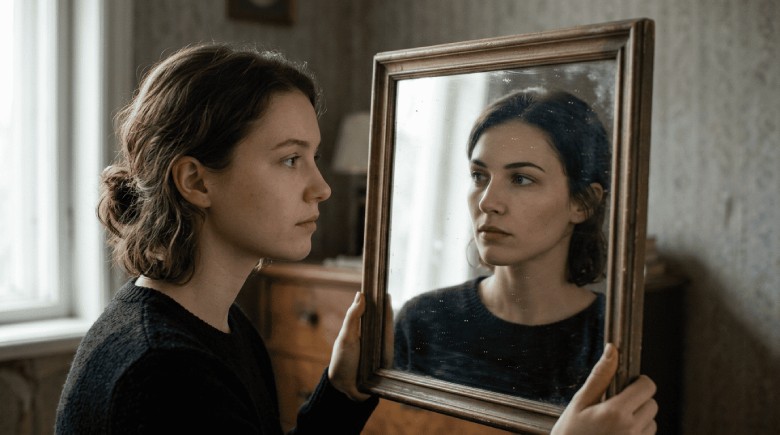
Face swap AI can recreate facial identity with remarkable accuracy. Skin tones match, lighting blends naturally, and expressions feel human. The result looks convincing at first glance, which changes how viewers respond. Instead of trusting visuals instantly, people pause. They observe more closely. They look for context.
Small details that once went unnoticed are now being examined more carefully. Shadows, reflections, and even subtle facial movements are becoming part of how audiences evaluate authenticity.
This does not mean trust is disappearing. It means trust is evolving.
Creative Flexibility Is Changing How Content Is Built
Visual creation used to depend heavily on physical shoots, editing tools, and multiple revisions. That process required time, effort, and coordination. AI-driven workflows are simplifying that process.
Within the Higgsfield workspace, creators can build visuals that maintain consistency without repeating production cycles. Identity, lighting, and overall composition can stay aligned across multiple outputs.
Using Face Swap, creators can generate visuals that feel natural and cohesive without disrupting the original atmosphere of the image.
This level of control allows teams to focus more on storytelling and less on technical limitations.
It also opens the door for faster experimentation. Creators can test different visual directions, adjust identities, and refine content without restarting the entire process, which was previously unavoidable in traditional workflows.
Trust Is Moving from Visual Proof to Context
Viewers are not abandoning trust. They are redefining how they form it. Instead of relying purely on visuals, they now consider surrounding signals. Where did the image come from? Who shared it? Does it align with other information?
Context is becoming the new foundation of credibility. Face swap AI plays a role in this shift because it challenges the idea that images alone can confirm reality. Even highly realistic visuals may be constructed.
Higgsfield supports structured content creation, helping creators maintain clarity in how visuals are presented. That clarity becomes essential when audiences are more aware and more observant.
This change is especially visible in professional environments, where audiences expect both creativity and transparency at the same time.
Consistency Matters More Than Ever
One surprising outcome of AI-generated visuals is that consistency builds more trust than isolated realism. If a brand, creator, or campaign presents visuals that align in tone, identity, and style, viewers are more likely to accept them. Consistency signals intention.
Face swap AI helps maintain that alignment across different assets. Instead of recreating visuals from scratch, creators can adjust and extend existing ones.
Higgsfield enables this process in a streamlined way, allowing creators to produce content that feels connected rather than fragmented. This strengthens audience confidence over time.
Repeated exposure to consistent visuals builds familiarity, and familiarity often translates into trust. That is becoming a key factor in modern content strategies.
Responsible Use Is Shaping Audience Perception
Technology itself does not define trust. Usage does. Face swap AI can be used for storytelling, personalization, and creative exploration. It can also be misused if context is ignored.
Audiences are becoming more aware of this distinction. They are not rejecting AI-generated visuals. They are expecting creators to use them responsibly. Higgsfield provides a controlled environment where creators can refine outputs and maintain intentionality. This helps ensure that visuals align with their purpose.
Positive usage builds credibility. Thoughtful presentation reinforces it.
As visual technology continues to evolve, many creators are also exploring broader AI tools that support content workflows, such as advanced video generation solutions, which further expand creative possibilities.
Viewers Are Becoming Active Interpreters
The relationship between creators and audiences is shifting. Viewers are no longer passive consumers. They are active interpreters. They compare visuals, analyze details, and question inconsistencies. This behavior is not driven by skepticism alone. It is driven by awareness. Face swap AI contributes to this change by making high-quality visual manipulation more accessible. As a result, audiences adapt. They rely on patterns, familiarity, and context rather than appearance alone. This creates a more engaged and thoughtful viewing experience.
Over time, this behavior may redefine how visual literacy develops, with audiences becoming more skilled at identifying both authenticity and creative intent.
A New Definition of Visual Trust
Trust in digital imagery is not disappearing. It is being redefined. The new standard is not about whether an image is untouched. It is about whether it is presented honestly within its context.
Creators who understand this shift are better positioned to connect with their audience. They focus on clarity, consistency, and intent rather than just visual perfection.
Higgsfield supports this approach by giving creators tools that allow precision without complexity. That balance helps maintain trust while embracing innovation.
The emphasis is gradually shifting from “Is this real?” to “Does this make sense within its context?”
Conclusion
Face swap AI has been changing more than just visuals. It is altering perception.
What was once an equation that was simple between reality and truth has evolved into more complex. Viewers are more critical and the creators are adjusting to keep up with the demands of viewers.
Higgsfield as well as its instruments are a part of nature into the evolving environment by enabling the controlled, high-quality creation of images. If they are used with purpose the tools can strengthen the narrative, rather than weakening it.
Digital images are not governed by the fact that something is real or created. It will be determined by how well and in a responsible manner it is displayed.
In the future, trust won't disappear. It will only be more educated, more thoughtful, and more tightly tied to the context of its origins than it has ever been before.