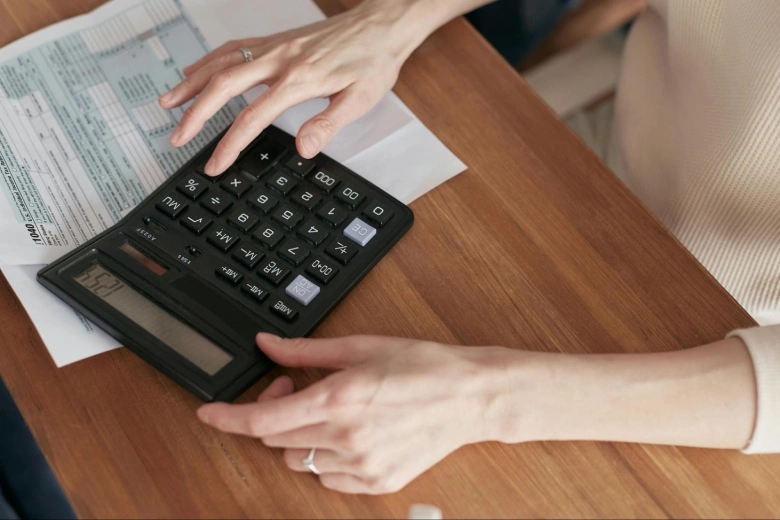
Why Modern Invoicing Isn't Optional Anymore
Running a business looks great from the outside, doesn't it? But when it's 3 a.m., you're missing payments, and you can't find invoice #042 to check if the client paid, it's not so great anymore. And as you’re sitting there, you slowly realize the client can't pay because you never sent it, and your heart sinks.
And it's this part of running a business that people overlook. It's boring, mundane, and it eats into your time, patience, and sanity.
But you're not alone. It might not be reassuring, but the stats point towards Americans spending 5 to 10 hours a week chasing invoices. In the UK, it's not much better, with a quarter of late payments caused by admin mistakes. Wrong numbers, wrong dates, shutting the laptop before the invoice has been sent, and it ends up in drafts, never to be paid. All major problems for business owners across the world.
This is where invoicing software enters the picture. It’s not about going digital because everyone else is also going digital; it's going digital because it makes sense.
Why do you need invoicing software?
Because Time Is The One Thing You Can't Get Back
The right invoicing software is about more than just sending invoices. It's a tool that removes the constant second-guessing. Did it go out? Did I make any mistakes? It streamlines how you send your invoices. It allows you to predetermine input so you get a standard template, and then it just handles everything else.
There's no chasing, no apologizing for mistakes you made, just invoices that go out on time and correctly, and are ready to support what you do by getting things over the finish line.
Because Mistakes Cost Money
As a small business, wasting money is one of the things that is going to pull you under faster than anything else. And a poor reputation? That's really close second, and both of these are achieved with ease, thanks to manual invoicing.
Firstly, creating a paper invoice can, in some cases, run $15 to $16 per invoice compared to around $3 for automation.
But this is about more than the financial cost; it's the mental load, the constant stress that builds up until you're fighting fires.
And honestly, governments are slowly nudging business owners in this direction anyway. The UK, for example, is introducing Make Tax Digital, India has GST e-invoicing rules, and the US has state-level systems, all aimed at reducing errors, increasing accountability, and limiting human error.
Because Work Isn't Local Anymore
This is a really important point in favor of invoicing software. Your clients aren't always next door like they were in days gone by. They're in different time zones, and this disconnect can mean a delay in invoices reaching the right people or being settled on time.
The right invoicing software can understand this; it can translate, convert timestamps, and adjust. It makes global trade feel local.
The popularity of automatic invoicing software is steadily climbing in the US. The e-invoicing sector worldwide is set to be worth a staggering $40 billion at least by 2030, and the companies that are resisting are the ones stuck chasing missing payments and errant invoices at 3 a.m.
In conclusion, involving software just makes life easier as a small business owner. You have better things to be doing with your time, energy, and finances.
How B2B eCommerce Website Development Is Transforming Digital Sales
Why Modern Invoicing Isn't Optional Anymore

When to Consolidate IT Suppliers: A Practical Playbook

The Etsy Business Model: How Does Etsy Make Money?
How eCommerce Solutions Are Revolutionizing the Way We Do Business?

How to Protect Your Personal Data Online