Understanding IPv4 Infrastructure in Modern Networks
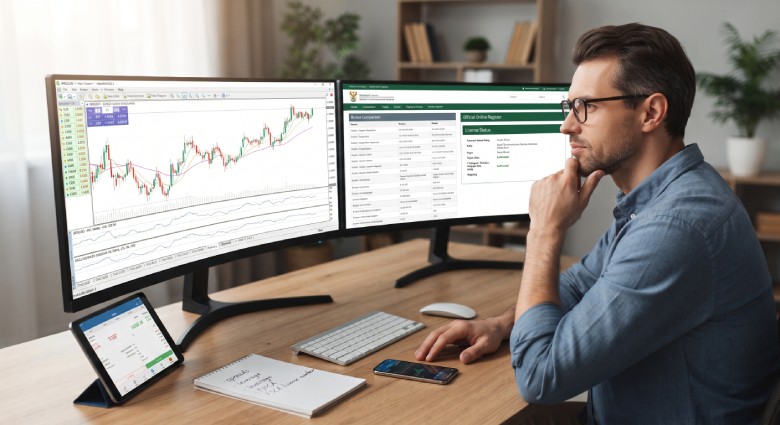
IPv4 should be a museum piece by now. The retirement notices went out over a decade ago, and yet the protocol still handles most of the internet's traffic in 2026. Weird, right?
Blame inertia, mostly. IPv4 quietly wormed its way into everything from banking backends to Wi-Fi doorbells, and pulling it out means rewriting software nobody wants to touch. So it stays.
The Architecture Behind Every Connection
Every IPv4 address is a 32-bit number. That gets you about 4.3 billion combinations, which felt limitless in 1981 when a few dozen research labs made up the whole internet.
Then the internet ate the world. IANA formally ran out of new address blocks in 2011, and regional registries have been rationing scraps ever since. A single clean IPv4 address that cost around $10 in 2015 now trades north of $50.
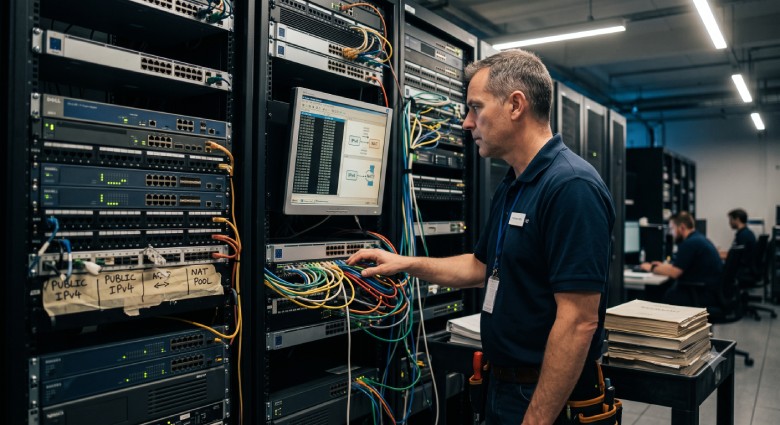
NAT is the duct tape holding everything together. Your router hides hundreds of devices behind one public address, silently translating every packet. Not elegant. Still working.
Why Businesses Still Depend on IPv4
Legacy compatibility is the honest answer. Software from the 2000s assumes 32-bit addresses live in specific places in memory, and rewriting it costs more than any CFO has patience for.
For teams running web scraping, ad verification, or geo-targeted market research, sourcing addresses through providers like IPRoyal for buying ipv4 proxies has just become part of the job. Clean, unblacklisted inventory keeps shrinking, and prices creep up every quarter.
CDNs feel the same pressure. Cloudflare and Akamai keep massive IPv4 pools around specifically because a big slice of their customers can't reliably reach IPv6-only endpoints. Nobody wants to be the CDN that broke somebody's grandmother's browser.
Banks are the worst offenders (or the smartest, depending on how you squint at it). They buy IPv4 blocks on the secondary market instead of migrating trading systems, treating addresses more like real estate than tech assets.
Businesses also increasingly use VPN services, to secure network traffic and route connections through different IP addresses, adding another layer of flexibility to modern network infrastructure.
The Hidden Cost of Address Scarcity
Reputation is half the game. One rogue tenant spamming from an address can get it flagged on major blocklists for months, and the next owner inherits the mess whether they know it or not.
Buying is easy. Buying clean is where things get expensive. The IPv4 address exhaustion process technically started in 2011, but the real crunch is happening now at the regional level, and every depleted block ratchets prices up.
Rate limits complicate everything else. A single address firing thousands of requests per hour looks like a bot to any modern web server, no matter what the actual intent is. Writers at Harvard Business Review have made the case that infrastructure choices increasingly come down to boring supply-chain math rather than raw performance specs.
IPv6 Coexistence, Not Replacement
IPv6 was supposed to fix all of this. It's been around since 1998. Adoption is still hovering around 45% globally, and the curve has basically flattened.
Research through the IE EE points to dual-stack setups (running both protocols in parallel) sticking around as the default well past 2035. Ripping out IPv4 costs real money and generates zero revenue, so most operators just keep both alive forever.
Mobile carriers are the exception. Verizon, T-Mobile, and Jio went IPv6-first because they never had enough IPv4 to cover their subscriber base in the first place. Necessity, not vision.
Smaller ISPs and cloud startups usually skip ownership entirely. They rent IPv4 blocks from brokers by the month, keeping it on the ops budget instead of the balance sheet.
Practical Steps for IPv4 Management
Start with an audit. Most companies have no clue what they actually own, and a proper reconciliation regularly turns up idle blocks worth serious money on the secondary market.
Blocklist monitoring should be automated and constant. Spamhaus, SORBS, and Barracuda flag addresses within hours of anything suspicious, and reputation damage snowballs fast if nobody's watching.
Renting fits short-term work. Owning makes sense once the timeline stretches past four or five years, because that's roughly when the math flips in favor of buying at current lease rates.
What Comes Next
The IPv4 secondary market will keep expanding until IPv6 adoption clears roughly 80%, or until somebody floats an addressing scheme neither camp has taken seriously yet. Neither feels close.
For the time being, IPv4 isn't nostalgia bait. It's the protocol that still moves most of the traffic, sets prices in the address market, and quietly drives infrastructure decisions in server rooms nobody sees.

How to Build Links Without Losing Sight of Quality






Why HR Teams Should Connect Workforce Planning With Talent Development