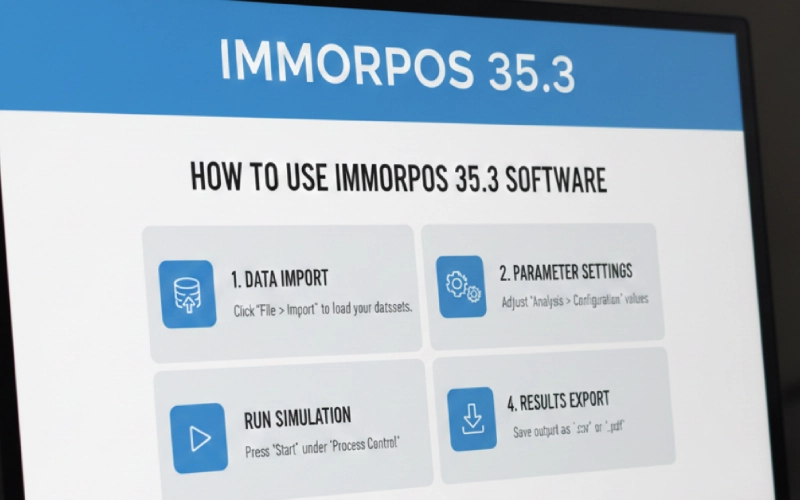
Why Immorpos353 Software Implementations Fail: Key Causes, Lessons, and Prevention Strategies
Software implementation failures are critical; they can cause massive monetary and reputational loss. Software implementation failures are generally not caused by one single bug or technical flaw; it is often the combination of multiple factors, such as poor planning, organizational gaps, and misaligned expectations. The case of immporpos353 is not an exception; its failure is possibly caused by multiple factors. In this article, we will discuss this issue in detail, share informative details, and more, so keep reading.
What Is Immorpos353 Software (in Context)?
Immorpos353 is referred to as a specialized or customer software system, generally associated with process management, automation, or internal operational workflows. Like many niche platforms, its success also depends on how well it is implemented, adopted, and maintained over time.
Immorpos353 implementation failures are linked to implementation challenges. They are common in mid-scale and enterprise environments.
Core Reasons Behind Immorpos353 Implementation Failures
Poor Requirements Definition
One of the most common causes of failures is unclear or incomplete requirements.
What goes wrong:
- Business goals are vaguely defined
- Stakeholders disagree on expected outcomes
- Features are added mid-implementation (scope creep)
Result:
The software technically “works” but doesn’t solve the real problem.
Lack of Stakeholder Alignment
Successful implementation of Immorpos353 requires alignment of:
- Leadership
- IT teams
- End users
Generally, implementation decisions are made at the top without the involvement of users, who actually use the system.
Impact:
- Resistance to adoption
- Workarounds and parallel systems
- Low user engagement
Inadequate Change Management
Softwares change the way people work; when organizations overlook it, failure occurs.
Common mistakes:
- No transition plan from the old systems
- No communication about “why” the change matters
- No adjustment period
Today, we have many choices, and people reject systems that they don’t understand or find too complex.
Insufficient Training And Documentation
Software implementation failure becomes common when users don’t know how to use it properly.
Symptoms include:
- Frequent user errors
- Overreliance on support teams
- Inconsistent data entry
Immorpos353 implementation generally fails when training is treated as optional or is rushed.
Over-Customization Early On
Customization is good, but everything should be within limits; too much customization can create problems.
Why does this cause failure?
- Increases complexity
- Makes upgrades difficult
- Introduces hidden bugs
- Ties the system to specific individuals
Weak Technical Infrastructure
Sometimes software implementation fails due to technical problems, not because the software is faulty.
Examples:
- Outdated servers or operating systems
- Network latency issues
- Poor integration with existing tools
Root Cause Pattern: It’s Rarely the Software
Across most immorpos353 failures, a clear pattern emerges:
“The software fails because the organization wasn’t ready, not because the software was inherently broken.”
Implementation failures are generally organizational failures, not engineering ones.
How To Prevent Immorpos353 Implementation Failures
Start with Clear Business Objectives
Define:
- What problem does the software need to solve
- What success looks like
- What metrics matter
Technology should follow strategy, not the other way around.
Involve End Users Early
Include real users in:
- Requirements gathering
- Testing phases
- Feedback loops
Real engagement from users is essential to learn flaws and fix them before proper implementation.
Invest In Change Management
Treat implementation as a human transition, not just a technical task:
- Communicate early and often
- Explain the benefits clearly
- Address fears and concerns
Prioritize Training And Support
Adequate training should be:
- Role-specific
- Hands-on
- Ongoing, not one-time
Documentation should be simple, searchable, and accessible.
Limit Customization At Launch
Adopt a “configure first, customize later” mindset:
- Use standard features initially
- Identify fundamental gaps over time
- Customize only where necessary
Test, Pilot, Then Scale
This is a golden rule to avoid big blunders:
- Run pilot programs
- Validate workflows
- Fix issues before full rollout
Warning Signs Of A Failing Implementation
Organizations should act fast if they notice:
- Users are avoiding the system
- Rising support tickets
- Data inconsistencies
- Missed deadlines
- Declining morale
Identifying the problem at an early stage helps fix it.
Frequently Asked Questions (FAQs)
Are Immorpos353 Failures Caused By Bad Software Design?
Not always, generally it happens due to a combination of planning and adoption issues.
Can Failed Implementation Be Recovered?
Yes, it can be recovered, but corrective actions should be planned and executed carefully for the desired results.
Is Customization Always Bad?
Not at all, customization within limits attracts users to use your product.
Conclusion
Understanding the Immorpos353 software implementation failure can help you big time in avoiding the same mistakes. Failures do happen, but we should learn from them and avoid repeating the same mistakes. In this article, we discussed the implement failure of Immorpos353 software. We hope that you like reading this post and found it informative. If so, then do share this post with others as well.

How to Build Links Without Losing Sight of Quality








Why HR Teams Should Connect Workforce Planning With Talent Development